
The novel Coronavirus, known as COVID-19, is affecting communities worldwide at rapid speed. As of March 18, 2020, the Centers for Disease Control and Prevention (CDC) says there’s been 7,038 total reported cases of COVID-19 in the U.S. These numbers are expected to grow as access to testing becomes more available in the coming weeks.
For many Americans, local and state governments have enacted closure mandates to slow the spread of transmission within communities. The City of Los Angeles, for example, has temporarily closed schools, public buildings, gyms, entertainment venues, and bars, and also ordered a halt to dine-in restaurant service (take-out or delivery orders only).
In the wake of these necessary changes, you’re likely concerned for the well-being of others who lack access to food, medicine, and the financial resources to withstand this pandemic. There are a few ways you can help the people in need in your local community as well as on a larger scale. Here’s how.
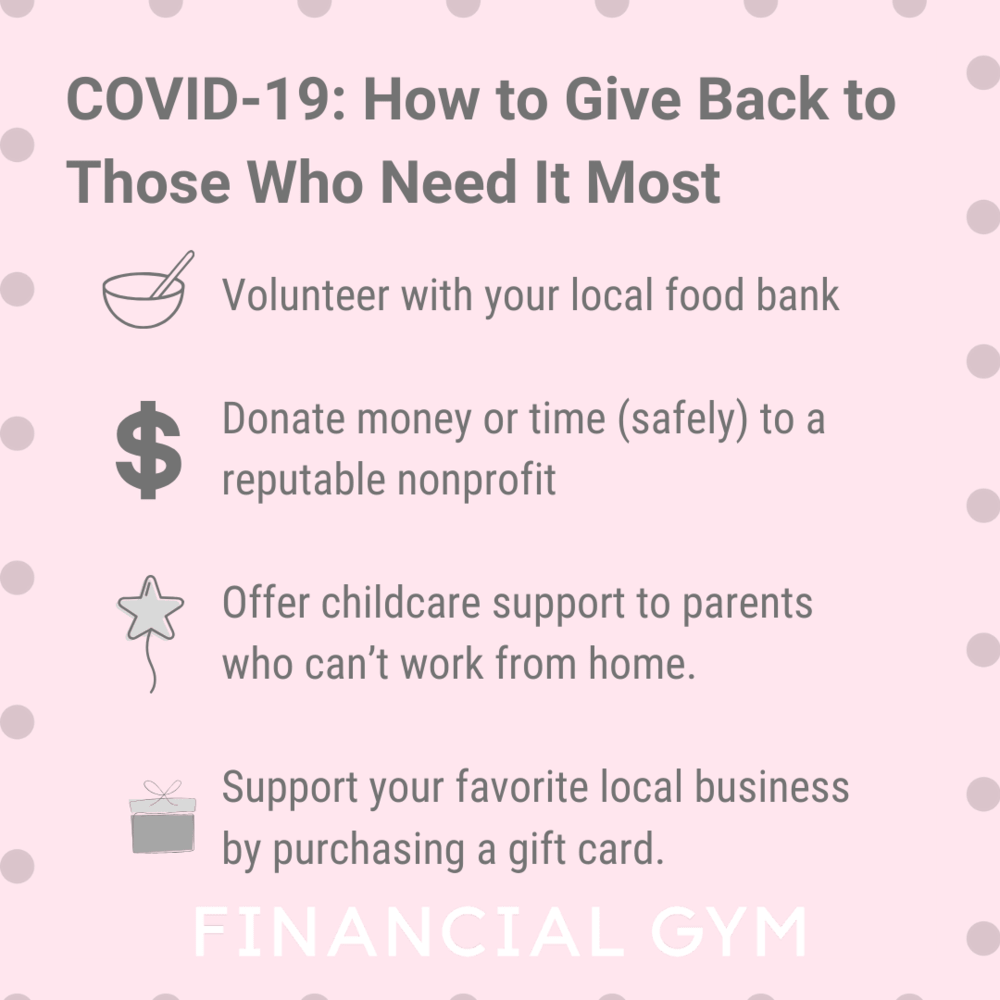
Volunteer with your local food bank
If you’re not among the population that’s considered high-risk and want to assist your community, directly, your local food bank may need volunteers to pack and distribute food to the homeless and disadvantaged.
To find a food bank in your area, visit Feeding America, which has a coast-to-coast food bank network.
Donate money or time (safely) to a reputable nonprofit
With so many communities across the country struggling to respond to the high demand of those affected by the novel Coronavirus, financial resources may be limited. If you’re fortunate to be a secure financial position, consider donating money to a local nonprofit or national nonprofit organization that’s actively responding to the outbreak.
You can donate directly to Feeding America, for example, or another trusted charity. Additional ideas include:
-
Meals on Wheels: Provides nutritious meals to seniors in need, who are vulnerable to COVID-19.
-
No Kid Hungry: A nonprofit that provides balanced meals to children who critically rely on school meals that they no longer have access to.
-
American Red Cross: Currently experiencing a blood shortage and in desperate need of blood donors.
-
Direct Relief: Aiding in the supply and delivery of essential medical supplies and protective equipment to healthcare Coronavirus responders.
-
The International Medical Corps: Provides medical equipment, training, and resources to monitor COVID-19 in affected communities.
There are just a handful of nonprofit organizations that can use your donated dollars toward addressing and containing the novel Coronavirus.
How to help on a day-by-day basis
During this uncertainty, being there for disadvantaged neighbors and at-risk communities in your very own area is a meaningful way to help. Here are some ideas to help those around you:
-
Offer childcare support to parents who can’t work from home.
-
Volunteer to go grocery shopping, pick up medicine, or go to the post office for an elderly or disabled relative or neighbor.
-
Order a meal for delivery or make a monetary donation to someone who’s been laid off from work or had their hours cut.
-
Support your favorite local business by purchasing a gift card.
-
Don’t buy more than one-week’s worth of groceries and household goods so others who are on income-based programs, like WIC, have access to the limited products they’re permitted to buy.
-
When you’re not helping another person in need, stay indoors and practice social distancing.
Being aware of the needs of the person next to you is what can help all of us get through this pandemic together as we continue to learn more about COVID-19.
Learn how The Gym is addressing the novel Coronavirus to protect its clients and trainers.