
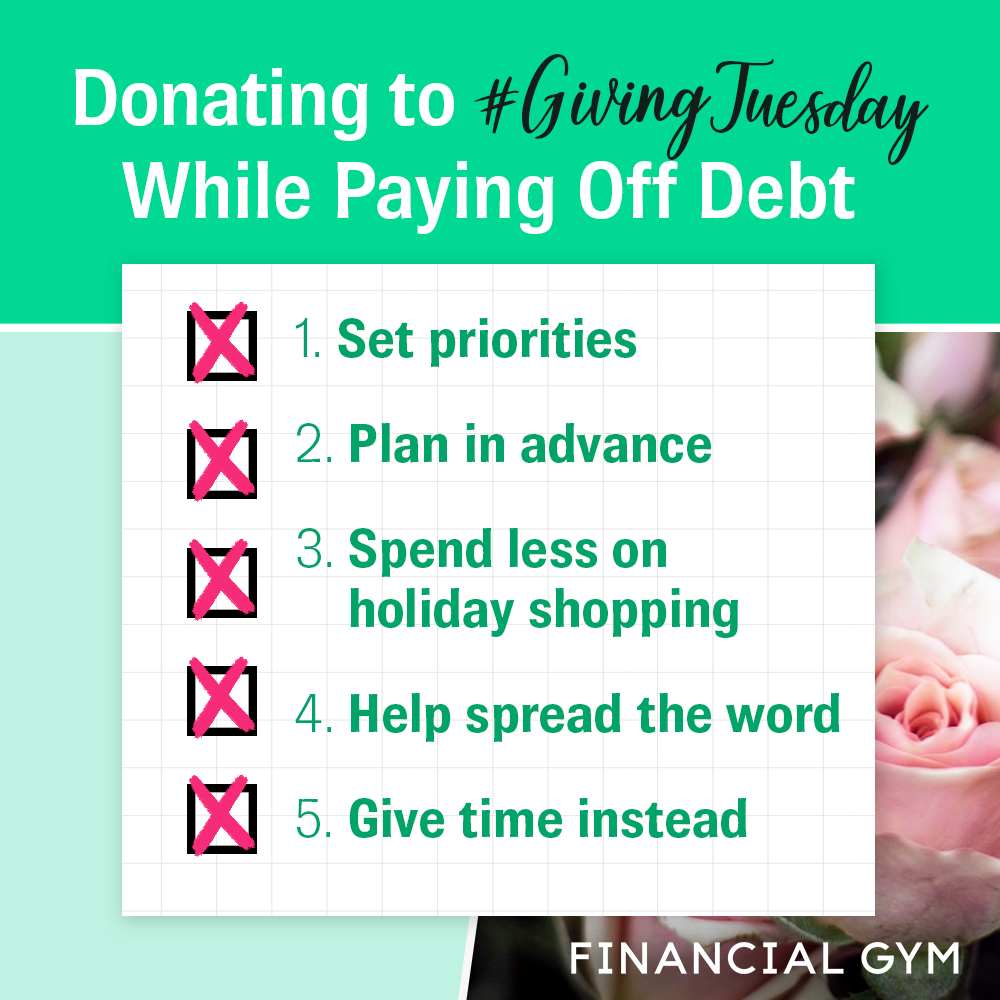
The desire to give can be very strong during the holiday season. With multiple causes that are near to your heart, you may want to put aside some cash for charitable giving. One of the easiest ways to do this is to participate in this year’s GivingTuesday campaign on December 3rd.
What is GivingTuesday?
GivingTuesday is a global generosity movement aimed to facilitate charitable giving at the start of the holiday season. The movement started in 2012 and has been wildly popular since, with people from all over the world making their donations and sharing information on the cause by using the #GivingTuesday hashtag on social media.
This day of giving always occurs on the Tuesday after Thanksgiving, which means it also comes at a time known for bringing higher expenses than usual, even outside of just gifts.
But for philanthropies, the timing makes sense — according to Charity Navigator, nearly one-quarter of Americans report making the majority of their charitable gifts in the last quarter of the year, particularly in the weeks between Thanksgiving and New Year’s Day.
But what if you’re in debt and you are working hard to achieve your financial plan? Should you donate? We think giving is always possible.
You’ll have to be disciplined enough, however, to understand how it affects your scenario and apply the same scrutiny toward charitable giving as you would with your spending. Here are some tips on what to consider.
1. Set priorities
As with any type of spending, it is important to analyze your financial situation and determine what needs to be done to advance financially. This involves being in full awareness of your debt and ensuring you have a plan to be able to continue your payments.
In general, make sure that even during the holidays you are earning more than what you are spending. It’s also important that will still be able to make all your monthly payments on time. Even so, budgeting is really important, and you can apply any of these budget strategies to keep from derailing on your goals.
If you decide you are still in the position to give, also know that small donations go very far, and just a few dollars can go a long way for both the charity and your feelings of generosity.
2. Plan in advance
Because of the sense of urgency and the hype surrounding this specific day, it is very easy to make impulse decisions on charities and financial amounts to give. You must take some time to research the charities that you will donate to as well as the size of your donation.
All charities will have a very enticing mission, but you can use sites such as Charity Navigator or Charity Watch to learn more about where your contribution will go. This can help you align with charities where your contribution can go farther.
3. Spend less on holiday shopping
We know this is hard because you also want to provide your friends and relatives with fun and exciting gifts, but holiday shopping can also be a large trap. Retailers use discounts to entice you to purchase things that you otherwise wouldn’t have, particularly during events like Black Friday and Cyber Monday.
Make sure you give yourself a budget for holiday spending and question whether or not an item is necessary for you to purchase. Just the cost of one extra clothing item can be enough to provide donations to a charity or two!
4. Help spread the word
One concern that charities often have with GivingTuesday is that their message can easily get lost among the high volume of competing charity promotions on social media during this time. A good way for you to help your favorite charity with this is to talk about their mission during multiple times of the year outside of the holiday window.
This gives them exposure to new donors and increases levels of overall awareness. This is powerful to organizations, with marketers agreeing that word-of-mouth provides higher trust than any other channel and it is often very difficult to implement a world-of-mouth strategy, correctly.
5. Give time instead
Finally, if you’re passionate about the cause, the best thing you can do is to volunteer. This is also a good option if you are not in the financial position to give as your time and effort are really valuable to charities.
According to the Independent Sector, the new value of volunteer time is $25.43 per hour. That means that just four hours spread throughout the holiday period is enough to provide a $100 value to the charity. As a bonus, you get to see first-hand how your work helps the organization.
If you have a specialized skill you can apply such as handiwork, legal, or business, the value of your contributions can be much higher than the average rate.
Participating in #GivingTuesday can be a way to pay it forward to those who are in need. Despite being in debt, there are creative ways to offer your support for your favorite charitable organizations.